Learn to knit
How to read a knitting pattern (a beginner's guide)
Knitting patterns look like code until someone explains them. Learn to read gauge, abbreviations, brackets, repeats and sizing, step by step, with examples.
Knit vs purl: what's the difference?
Knit and purl are the two basic knitting stitches, and they're actually the same stitch from opposite sides. Here's how to tell them apart and what each one makes.
How to purl (the purl stitch)
The purl stitch is the knit stitch in reverse. Learn to purl step by step, and combine it with knit stitches to make stockinette and ribbing.
What you need to start knitting
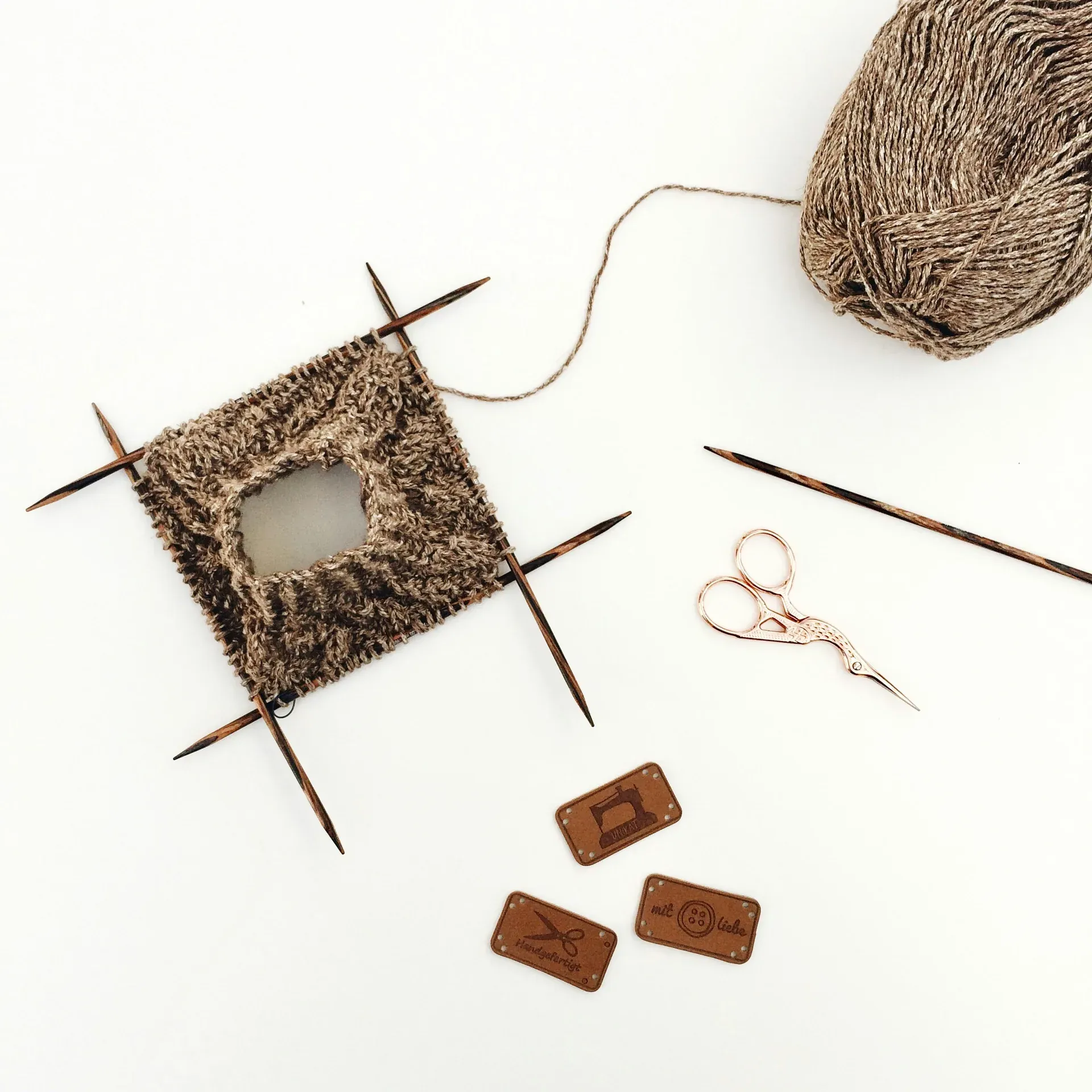
The short, honest list of what a beginner actually needs to start knitting: which needles, which yarn, and the few notions worth buying. No expensive kit required.
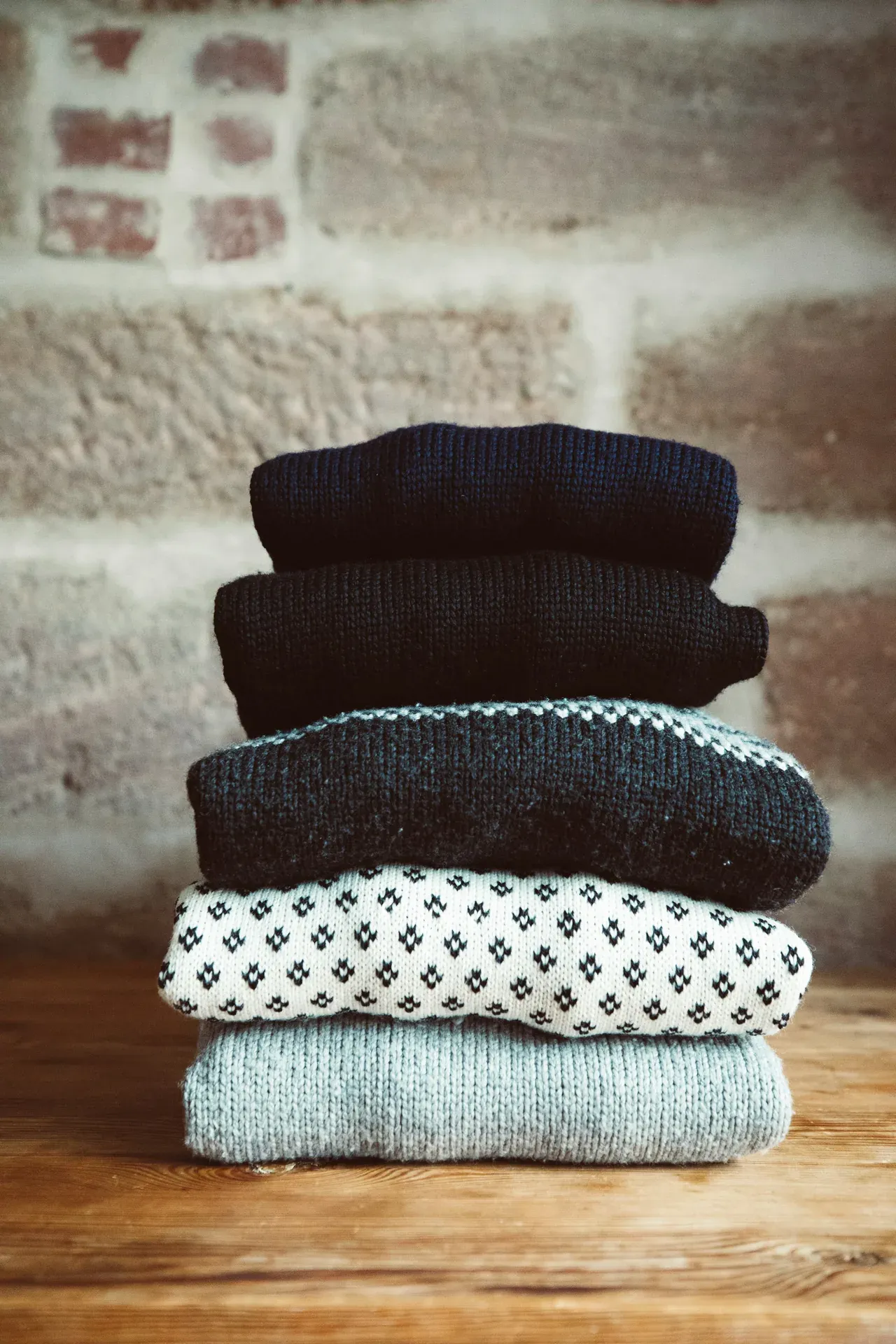
How to read a knitting chart
A knitting chart is a picture of your fabric. Learn to read the grid, the symbols, and which way to go, flat and in the round, with clear examples.
How to knit the knit stitch
The knit stitch is the first and most important stitch in knitting. Learn it step by step, Continental style, with the simple "in, pick, through, off" motion, and make your first fabric.
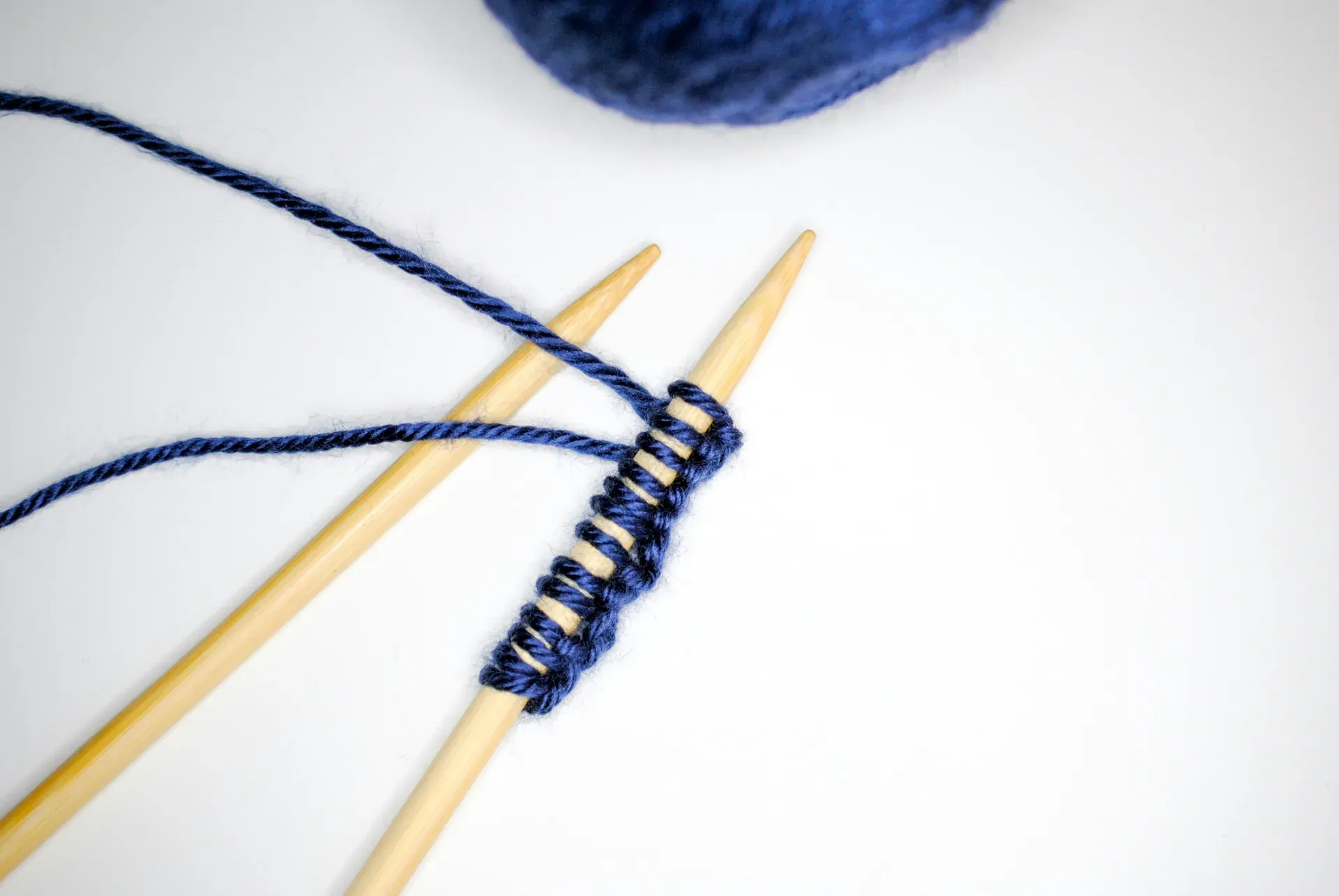
How to cast on
Casting on is the first step of any knitting project; it creates the starting row of stitches on your needle. The most popular all-purpose method is the long-tail cast on, which gives a neat, slightly stretchy edge.
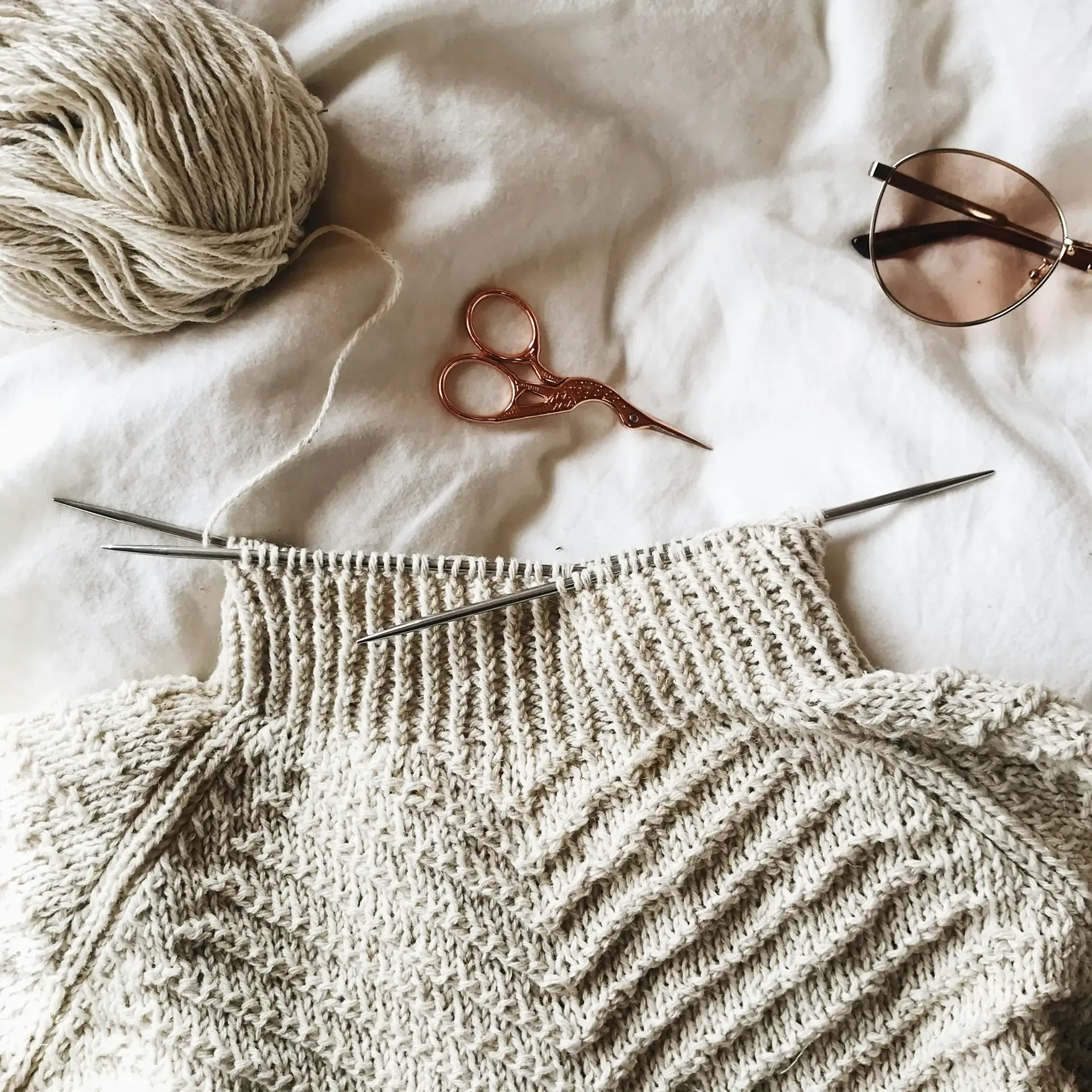
How to bind off (cast off)
Binding off, called "casting off" in the UK, is how you finish a piece of knitting by securing the live stitches so they can't unravel when the work leaves the needle. This guide walks through it step by step and shows when to choose a stretchier bind off instead.